NFPA 25 Explained for Colorado Property Teams Managing Water Based Fire Protection Systems
If you manage a commercial property in Colorado, NFPA 25 matters because it governs the inspection, testing, and maintenance of water based fire protection systems. That sounds simple enough on paper. In practice, it affects how your team schedules service, keeps records, prepares for inspections, coordinates contractors, and responds when a system is impaired or modified.
For Denver property teams, that work sits inside a local enforcement environment that is very real and very active. The Fire Code Official, Fire Marshal, and Denver Fire Department Fire Prevention Division all play a role in enforcing fire code requirements. Denver also inspects commercial and institutional properties on a recurring basis, typically about every 12 months. During those inspections, officials may review hazards, means of egress, emergency lighting, fire lanes, and the test records for fire safety systems. When records are missing, when systems are disabled, or when deficiencies are not addressed, problems tend to surface fast.
That is why NFPA 25 should not be treated as a binder on a shelf or a task delegated once a year. For property managers, facility directors, engineers, and ownership groups, it is more useful to think of it as the operating discipline behind your sprinkler and related water based systems.
What NFPA 25 actually covers
NFPA 25 is the standard for the inspection, testing, and maintenance of water based fire protection systems. In plain terms, it deals with the ongoing care of systems such as sprinklers and other water based fire protection equipment after installation. It is not the design standard, and it is not the installation permit. It is the part that answers the practical question: now that the system is in place, how do we keep it ready to work?
That distinction matters because many property teams blur several responsibilities together. They may hear “fire inspection,” “sprinkler testing,” “alarm certification,” and “annual review” and assume it is one combined event. It is not. The building owner or operator may experience those items in the same season, but the standards and agencies involved are not identical.
NFPA 72, for example, is the national fire alarm and signaling code. It covers fire alarm design, installation, inspection, testing, maintenance, and emergency communications systems. NFPA explains that NFPA 72 addresses how alarm systems should operate, including initiation, notification, supervision, and ongoing care. NFPA 25, by contrast, deals with the inspection, testing, and maintenance of the water based side.
That difference comes up all the time when a property team asks whether a sprinkler issue will be found through fire alarm monitoring Denver providers or through the water based system inspection process. Sometimes both systems intersect in operation, especially where supervision signals or waterflow alarms are involved, but they are still governed by different standards and often reviewed through different scopes of work.
Why Colorado property teams get tripped up
Most teams do not struggle because they do not care. They struggle because the responsibility is spread across too many people. A building engineer may watch valves and gauges. A property manager may schedule vendors. A construction manager may oversee tenant improvements. Accounting may process invoices, but not verify whether test reports were complete. Ownership may assume that if a contractor visited the site, the building is “covered.”
That assumption creates gaps.
A common example involves tenant improvement work. In Denver, permits are required for most construction, alteration, or repair work on private property. Colorado law also says that installation, modification, alteration, or repair of fire suppression systems generally cannot begin until required permits are obtained and the job has been registered, with working plans and hydraulic calculations reviewed and approved. On a busy project, especially one with schedule pressure, teams sometimes focus on drywall, finishes, and occupancy dates, while the fire protection side lags behind. Then the project reaches the final stretch and someone learns that acceptance or approval is still required before final sign off of the fire alarm and fire protection permits.
That is not a paperwork problem. It is an operations problem, because delays in fire system approval can hold up turnover, tenant occupancy, or final closeout.
For teams handling commercial fire protection Colorado portfolios, NFPA 25 works best when it is built into the property calendar, the construction review process, and the vendor management process, not handled as a last minute compliance item.
The Denver layer: inspections, enforcement, and records
Denver’s annual inspection cycle changes how property teams should think about readiness. Fire safety inspections in the city are not limited to a quick visual walk through. The city’s materials indicate that inspectors can review exits, emergency lighting, fire resistive separations, fire lanes, and test records for fire safety systems. Violations can result in an order notice for correction.
That last part is where recordkeeping becomes practical, not clerical.
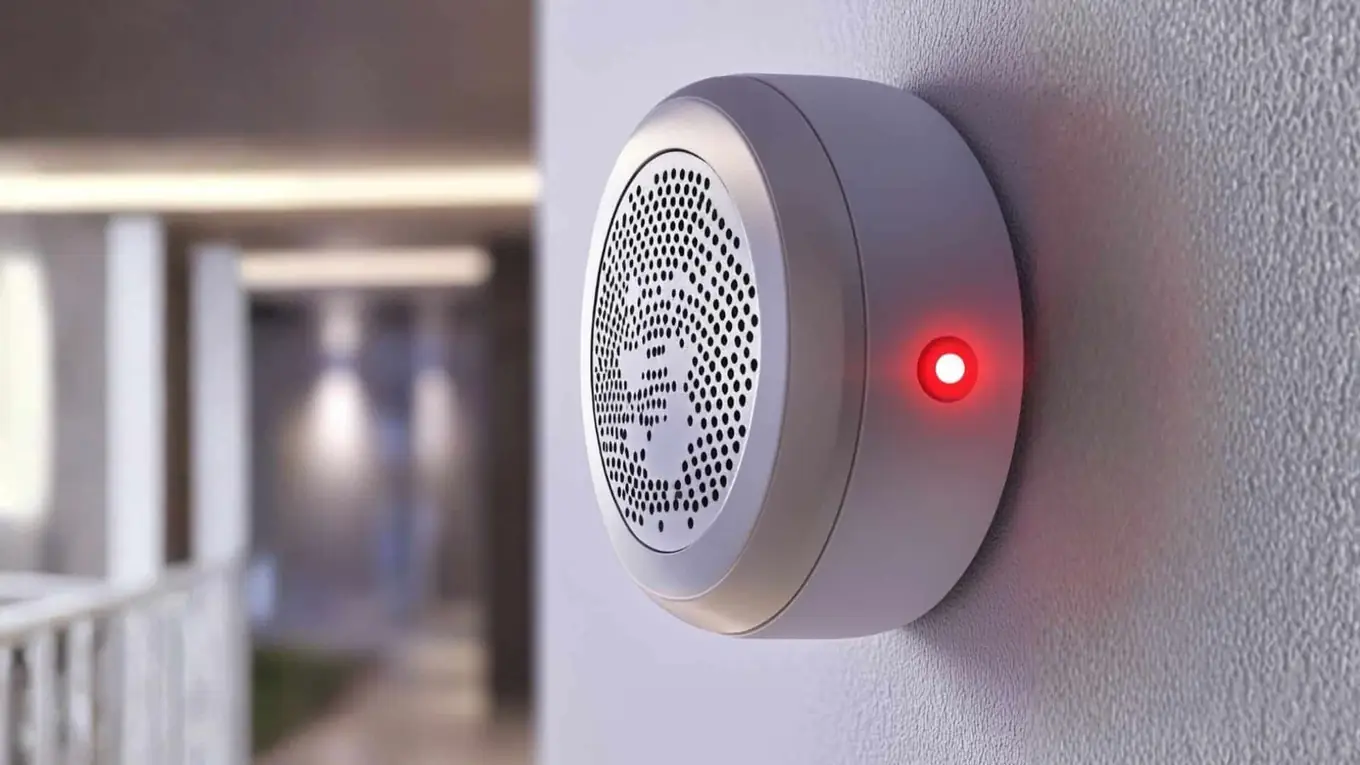
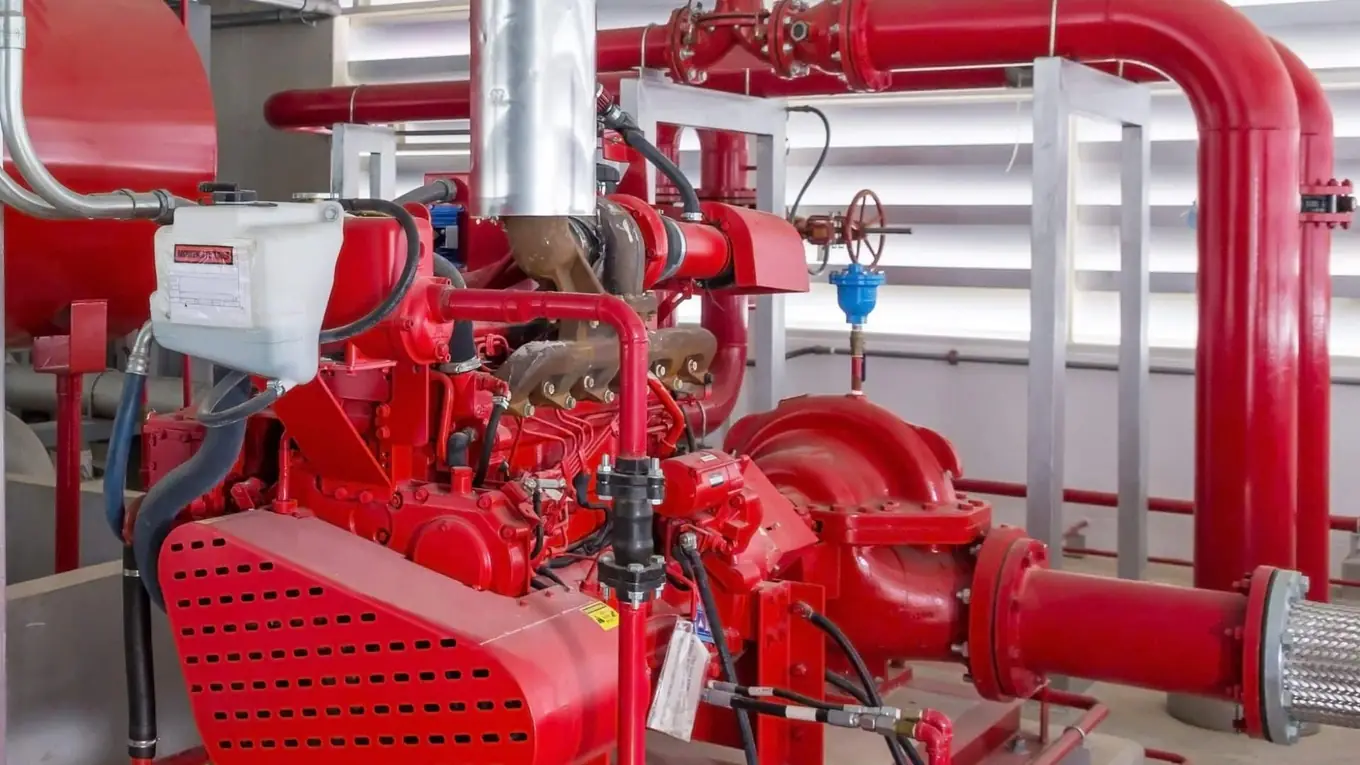
A water based system may be physically present and appear fine at a glance, but if the inspection and testing history is incomplete, outdated, or disorganized, the building team has a problem anyway. The people who manage buildings every day know how this plays out. The contractor did come out, but the report is sitting in someone’s inbox. The valve trip test was completed, but the documentation never made it to the life safety file. The backflow inspection Denver report was sent to one contact who has since left the company. The fire pump inspection Denver paperwork exists, but it is stored under an old building name from before acquisition.
None of that changes the expectation during an inspection.
The best performing teams usually keep a single, current system record set tied to the property, not to a particular employee. That way, if the chief engineer retires or the property changes management companies, the compliance history remains usable.
NFPA 25 is not the same as installation approval
Another source of confusion is the handoff from construction to maintenance. A system can be newly installed, recently modified, or partially renovated, and the property team assumes that because the contractor finished the work, the building has cleared every required step. Denver’s process does not support that assumption.
The city notes that fire protection engineering review is part of plan review, and that acceptance or approval is required before final sign off of fire alarm and fire protection permits. In addition, special inspections can occur outside normal business hours when needed. That last detail is worth noticing. It tells you the city expects coordination, and sometimes flexibility, for testing and acceptance.
For properties pursuing fire sprinkler installation Denver work during tenant improvements or building upgrades, this means the NFPA 25 program should pick up only after the permitted and approved work is truly handed over. Otherwise, teams end up trying to maintain systems that are still in a construction or acceptance limbo.
In real property operations, that handoff point matters a lot. If the contractor thinks the project is complete, but the management team has not received approval, closeout documents, and final reports, then no one clearly owns the next step. That is when deficiencies linger.
What property teams should keep ready
A clean NFPA 25 program does not require a fancy software platform. It does require discipline. For most sites, the following records and coordination points make day to day compliance much easier:
- Current inspection, testing, and maintenance reports for water based fire protection systems.
- Clear documentation of any impairments, deficiencies, and corrective actions taken.
- Permit and approval records for any recent fire suppression system installation, modification, alteration, or repair.
- Contact information for the building team, fire protection contractor, and any fire alarm monitoring Denver provider connected to system supervision.
- A simple site file that can be produced quickly during fire safety inspections Denver personnel may conduct.
That list sounds obvious until a real inspection day arrives. Then the value becomes obvious. The team that can produce organized reports in minutes usually has a calmer inspection experience than the team that starts searching old emails while an inspector waits in the lobby.
The systems around the sprinkler system
NFPA 25 is focused on water based fire protection systems, but buildings do not operate in silos. A sprinkler system interacts with supervision, alarms, water supply components, and often impairment procedures that affect the whole property.
Take backflow devices and fire pumps. In many buildings, those assets are not thought about until they fail a test or receive a deficiency note. Yet they are central to reliable performance. That is why a backflow inspection Denver schedule or a fire pump inspection Denver visit should not be viewed as separate housekeeping chores. They are part of the same operational picture. If one element is out of service, the building’s risk posture changes.
The same goes for the relationship between water based systems and alarms. Even though NFPA 72 governs fire alarm systems, and NFPA 25 governs the water based systems, the property team still has to coordinate both worlds. Waterflow and supervisory conditions often need to be reflected through the alarm system. If your alarm vendor and sprinkler vendor do not communicate well, you can end up with a building where each contractor says their piece is fine while the integrated result is not.
That is why many managers prefer one lead coordinator on the owner side. It may be the chief engineer on a single asset, or a regional facilities manager across a portfolio. Whoever it is, someone needs authority to line up testing windows, secure access, notify occupants when necessary, and confirm that reports from one vendor match what the other vendor observed.
Inspections are easier when the building behaves like a building
This sounds almost too basic to mention, but it is one of the clearest patterns on occupied properties. Fire system compliance tends to be smoother in buildings where the team treats life safety as part of ordinary operations rather than a special event.
That means exits stay clear because the engineering team actually watches them. Fire lanes remain open because parking enforcement is taken seriously on site. Test records are kept current because the office staff knows where the files live. Impairments are escalated right away because no one wants to explain later why a disabled system sat unaddressed.
Denver’s annual inspection materials reflect that broader view. Inspectors are not just looking at one valve or one riser room. They may review exits, emergency lighting, separations, fire lanes, and records. In other words, the condition of the building tells a story. If the property is managed with discipline, the paperwork usually reflects it. If the building feels disorganized, the fire protection file often does too.
For teams responsible for emergency fire protection Denver readiness, this is a useful mindset. Preparedness is visible before anyone opens a binder.
Construction work is where many compliance problems begin
Colorado property teams often spend most of their time in one of two modes: steady state operations or active renovation. NFPA 25 is easier in steady state. Renovation is where the complexity enters.
During construction, especially on occupied commercial properties, schedules compress and trades overlap. Someone may drain a portion of a system for alteration work. Another team may need access to the same area for ceiling finishes. The tenant may be pushing to move in. The owner wants revenue to start. Under pressure, it becomes tempting to treat the fire protection work as one line item among many.
That is risky for two reasons.
First, Colorado law requires the fire suppression work to follow the permit and review process before installation, modification, alteration, or repair begins, generally with working plans and hydraulic calculations reviewed and approved. Second, Denver’s acceptance and approval steps still have to occur before final sign off. If either side is skipped or delayed, the project may appear nearly finished but still be operationally incomplete.
For teams overseeing fire suppression systems Denver projects, the practical move is to bring fire protection review into the project schedule early, not after ceilings are closed and inspections are being rushed. It is far easier to coordinate approved work on the front end than to explain late stage changes after other trades have finished around the system.
Common trouble spots that deserve extra attention
Most deficiencies do not come from obscure code debates. They come from repeat issues that are easy to overlook in a busy building:
- Recent tenant work that changed ceilings or room layouts without the fire protection file being updated.
- Open items from prior inspections that were discussed but never formally closed.
- Poor handoff between a sprinkler contractor and the company handling fire system certification Colorado records or alarm related documentation.
- Missing acceptance paperwork after renovation or repair work.
- Life safety reports stored by vendor or invoice number rather than by building system and date.
None of those problems are dramatic on the day they happen. They become dramatic later, usually when a city inspector asks a direct question and the property team cannot answer it cleanly.
How to work better with vendors and avoid blind spots
Vendor coordination is where experienced property teams can gain a lot of ground. A contractor may be very strong technically and still have no idea what happened with your permit closeout. A monitoring provider may be responsive during signals and still not understand the history of a water based system impairment. A project manager may know construction milestones and still not have the latest approved fire protection documents.
The owner side has to connect those dots.
That starts with assigning responsibility internally. Someone should know what work is routine NFPA 25 activity, what work is a repair, what work crosses into alteration or modification, and what work requires permit coordination and acceptance planning. Without that distinction, service calls blur into project work and records become unreliable.
For a Denver site, it also helps to remember that the city’s process includes fire protection engineering review and acceptance requirements, and that special inspections may be scheduled outside normal business hours when needed. If a property team learns that only at the end of a project, they are already late.
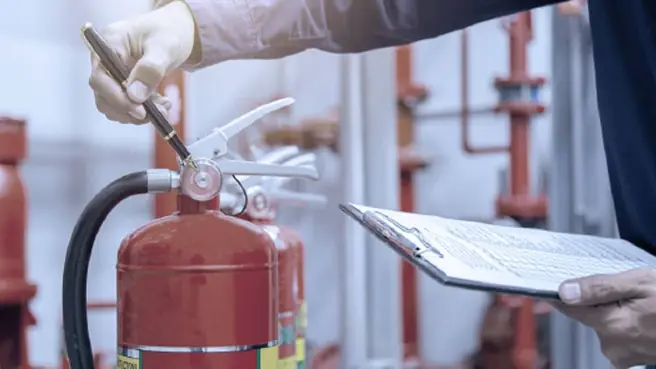
Teams that manage fire protection Denver portfolios well usually ask simple, direct questions every time work is proposed. Is this maintenance, repair, or protecting buildings in the Denver area modification? Does it affect permit status? Has plan review already occurred if needed? What approval is still outstanding? What records will the owner receive at closeout? Those questions are not glamorous, but they prevent a lot of pain.
A note on annual inspections versus ongoing compliance
Because Denver inspections typically occur about every 12 months for commercial and institutional properties, some teams fall into a twelve month mindset. They gear up right before the city visit and relax after it passes.
That approach misses the point.
NFPA 25 is not an annual event. Denver’s annual fire safety inspections are part of the local enforcement cycle, but the owner’s responsibility to maintain water based fire protection systems continues all year. If a deficiency appears in month two, waiting until month eleven is not a strategy. If a system is impaired after repair work, the annual inspection calendar does not erase the issue. And if a contractor performed work that should have been tied to permit or approval steps, the passage of time does not cure that gap.
Steady attention is usually less expensive, less disruptive, and easier on staff than large compliance catch ups. Buildings run better when inspections, testing, maintenance, records, and corrective actions are treated as a standing operating practice.
What “good” looks like for a Colorado property team
A strong program does not have to be flashy. Usually it looks quiet from the outside.
The building knows what water based systems it has. The team knows who services them. Reports are easy to find. Deficiencies are tracked to closure. Construction work is not allowed to drift ahead of permit and review requirements. Acceptance is confirmed before a project is treated as done. Annual city inspections are expected, not feared. When an inspector asks for records, the team produces them without drama.
That is the level of control most owners actually want, whether they call it NFPA compliance inspections Colorado readiness, life safety management, or simply good property operations.
For firms delivering commercial fire protection Colorado services, that is also where real value shows up. The best partners do more than complete a task. They help the property team understand where routine maintenance ends, where permitting begins, and what approval or acceptance still remains before a system can be considered fully turned over.
The bottom line for Denver area properties
If your team manages water based fire protection systems in Colorado, NFPA 25 is the standard that shapes your ongoing inspection, testing, and maintenance work. In Denver, that work exists within a broader enforcement and inspection environment led by local fire authorities, supported by annual fire safety inspections, and tied to permit, review, and acceptance requirements when systems are installed or changed.
The practical takeaway is straightforward. Treat NFPA 25 as an operating system for the property, not as a once a year paperwork exercise. Keep your records organized. Separate maintenance from modification. Coordinate closely when projects involve fire sprinkler installation Denver or other fire suppression systems Denver work. Make sure acceptance and approval are not assumed. And remember that fire alarm monitoring Denver, backflow inspection Denver, fire pump inspection Denver, fire extinguisher inspections Denver, and related services all fit into the broader picture of building readiness, even when different standards or contractors apply.
When a property team gets those basics right, fire safety inspections Denver officials conduct tend to go more smoothly, project closeouts become less stressful, and the building is in a better position to perform the way it is supposed to if an emergency ever tests it.